
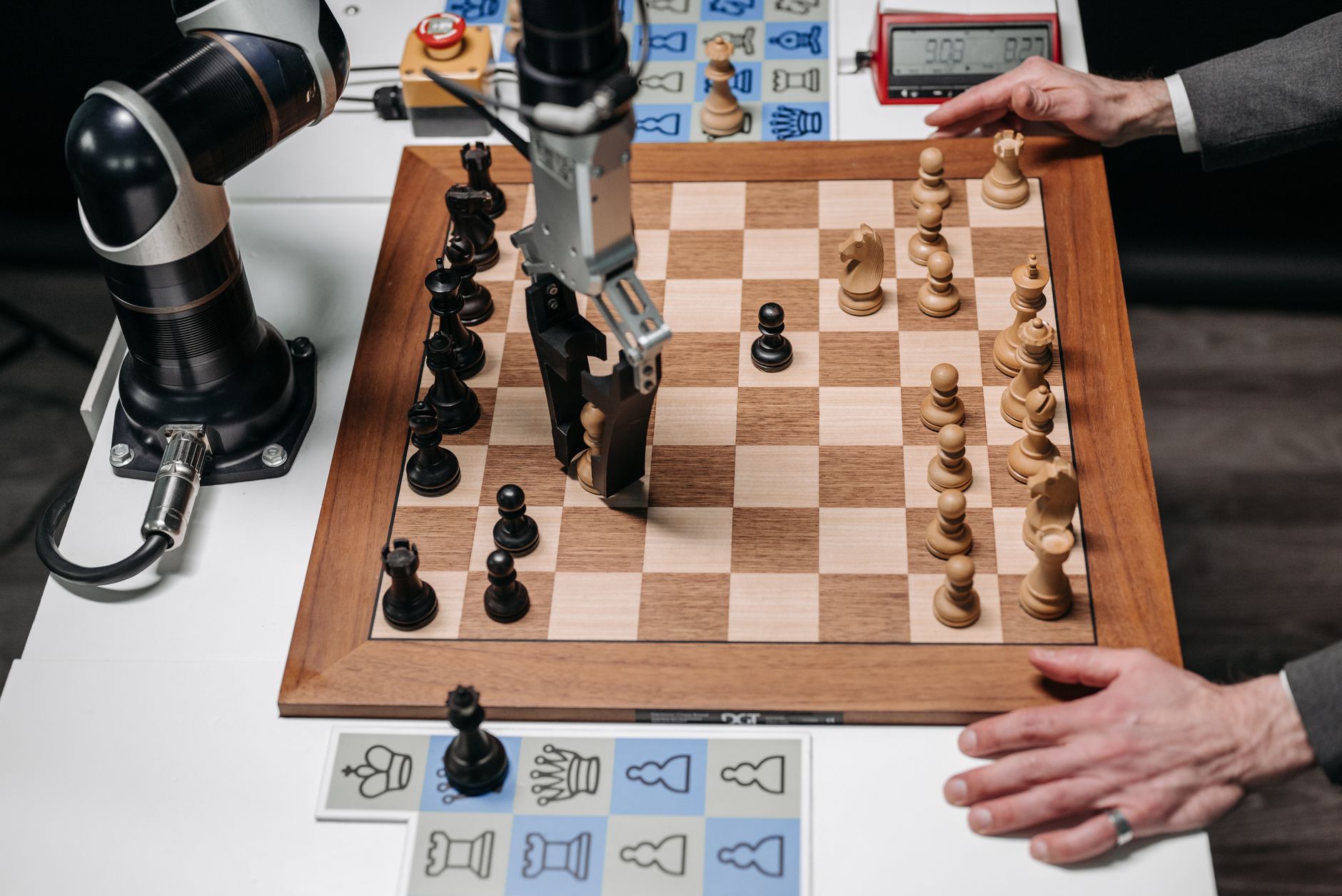

Trump AI competition is heating up as he dismisses calls from AI leaders to slow down development, citing the threat posed by Chinese advancements.
The Stakes of Trump AI Competition
The stakes of the Trump AI competition are significant, particularly as global dynamics shift in response to technological advancements. As former President Donald Trump emphasizes the necessity of rapid progress in artificial intelligence, he overlooks the potential risks associated with such haste.
Experts warn that accelerating AI development without proper regulations could lead to:
- Ethical concerns: Unchecked AI could amplify biases and increase surveillance capabilities.
- Job displacement: A rapid rollout of AI technologies may result in significant job losses across various sectors.
- Security threats: The potential for AI to be weaponized or misused raises alarms among national security experts.
Moreover, by prioritizing speed over caution, Trump risks alienating international allies who advocate for a more measured approach. The competitive landscape is changing, especially with China making substantial investments in AI. Ignoring the calls for a responsible framework may ultimately undermine the United States’ position in the global AI race.
As the Trump AI competition heats up, the balance between innovation and safety becomes increasingly critical.
Calls for Regulation: What Experts Say
As the Trump AI competition heats up, experts are increasingly voicing concerns about the lack of regulation in the rapidly advancing sector. Many argue that without proper oversight, the risks associated with artificial intelligence could outweigh the benefits.
According to Dr. Emily Carter, a leading AI researcher, “We need a balanced approach that prioritizes safety and ethical considerations while still fostering innovation.” She emphasizes that the competition should not come at the expense of responsible development.
Several key points have emerged from discussions among industry leaders:
- Global Standards: Experts advocate for international standards to ensure that AI technologies are developed with safety protocols in mind.
- Transparency: There is a call for transparency in AI algorithms to prevent misuse and ensure public trust.
- Collaboration: Many believe that collaboration between private companies and government agencies is essential to navigate the complexities of AI regulation.
In light of these discussions, the Trump AI competition could face significant scrutiny if regulators do not step in to address potential risks associated with rapid advancements in this field.
China’s Role in AI Development
China’s rapid advancements in artificial intelligence have raised significant concerns in the United States, particularly in the context of the Trump AI competition. As the Chinese government invests heavily in AI research and development, experts warn that America risks falling behind.
China has established itself as a formidable player in the AI landscape through a combination of state-sponsored initiatives and private sector innovation. This multifaceted approach allows for:
- Substantial funding: The Chinese government allocates billions to AI projects, fostering a thriving ecosystem for technology development.
- Skilled workforce: A focus on education and training has produced a large pool of AI talent.
- Global partnerships: China actively collaborates with international firms, enhancing its technological capabilities.
In response, some experts argue that the Trump administration’s dismissal of AI leaders’ calls for a more cautious approach may hinder the U.S.’s ability to compete effectively. With China taking significant strides in AI, the pressure is mounting on American policymakers to ensure that the country maintains its edge in this critical field.
Implications for Global Tech Leadership
The ongoing Trump AI competition has significant implications for global tech leadership, particularly in the context of rising tensions with China. As the former president pushes for rapid advancements in artificial intelligence, experts caution that such haste could jeopardize the United States’ position in the global tech landscape.
China has made substantial investments in AI, positioning itself as a formidable competitor. The risk of a fractured approach to AI development could lead to a tech divide, where the U.S. falls behind in essential areas such as cybersecurity and quantum computing.
- Innovation vs. Regulation: Rapid innovation often clashes with the need for thoughtful regulation, which can protect consumers and ensure ethical AI use.
- Global Collaboration: Fostering international partnerships could enhance U.S. leadership, but the current competitive stance may isolate the country.
- Workforce Development: Prioritizing education and training in AI fields is crucial, yet the focus on competition may divert resources away from these initiatives.
Ultimately, the trajectory of the Trump AI competition may redefine global tech dynamics, for better or worse.
Photo by Pavel Danilyuk on Pexels
References
You might also like
Pakistan BRICS Membership: The Clear Path to Inclusion · Zodiac Signs Attract Abundance: Proven Ways to Get Lucky · Halley’s Comet tracking: Simple Steps to Follow in 2061



Leave a Reply