
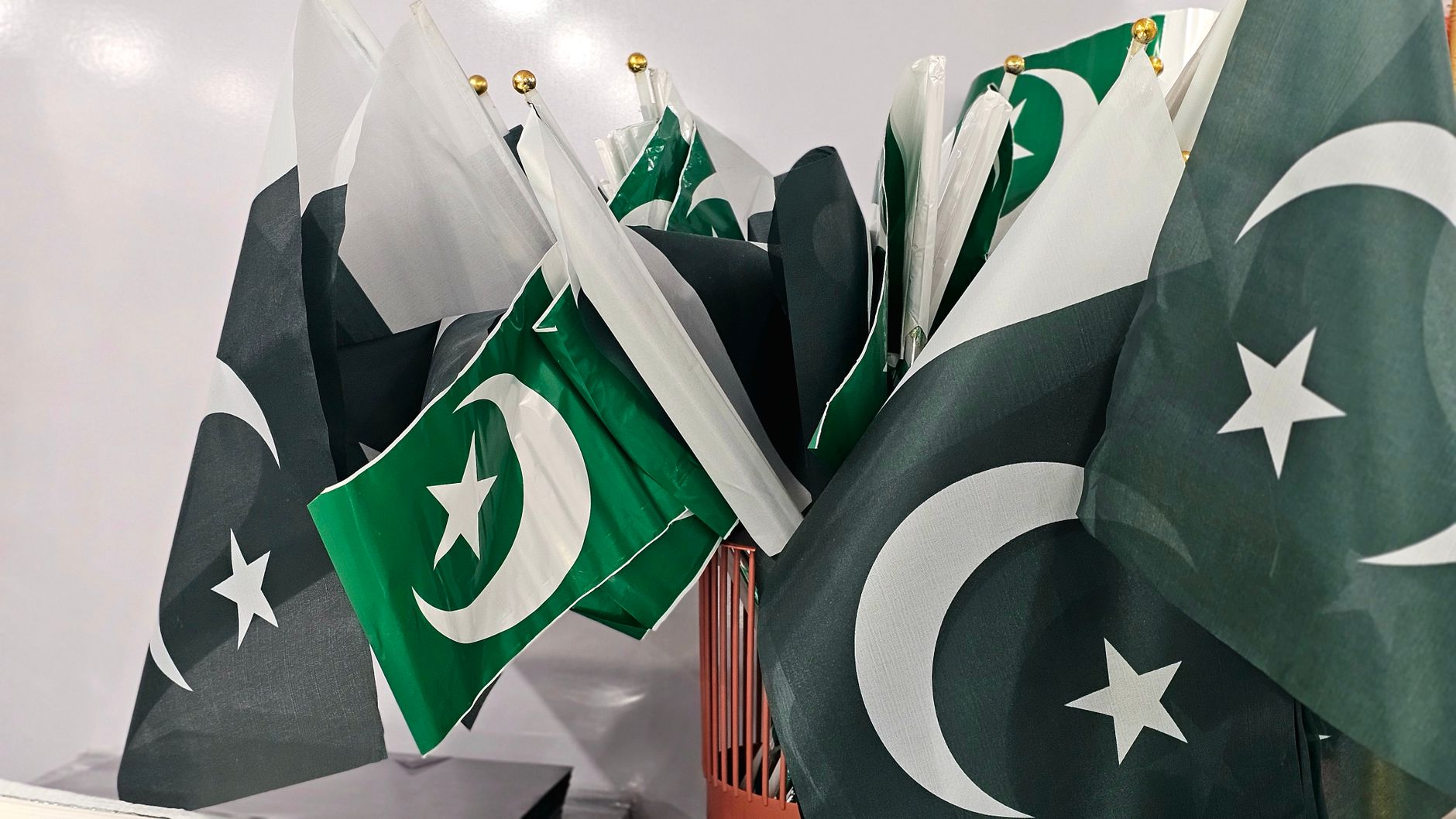

Pakistan BRICS membership remains a significant topic as the nation continues to seek inclusion in the influential group. This article explores the implications and potential benefits of membership for Pakistan.
Current Status of Pakistan’s BRICS Application
As of October 2023, Pakistan’s BRICS membership application remains under consideration, reflecting a complex interplay of geopolitical interests and economic aspirations. The nation formally applied for membership, aiming to capitalize on the collaborative framework that BRICS offers to its member states.
Despite its efforts, Pakistan continues to wait outside the BRICS door. The nation has made significant investments in fostering economic ties with existing members, hoping to strengthen its case for inclusion. However, the decision-making process within BRICS is often influenced by broader regional dynamics and the current geopolitical climate.
Several factors contribute to the uncertainty surrounding Pakistan’s BRICS membership:
- Geopolitical Relations: BRICS consists of countries with varying political agendas, making consensus on new members challenging.
- Economic Contributions: Pakistan’s economic indicators and growth prospects are closely scrutinized in the context of BRICS’s objectives.
- Regional Stability: The ongoing political and economic issues in South Asia play a significant role in determining Pakistan’s eligibility.
While the desire for inclusion in BRICS is evident, Pakistan’s path forward will require strategic diplomacy and continued investment in relationships with current member states. The outcome of its application remains a pivotal point for Pakistan’s international standing and economic future.
Benefits of Joining BRICS for Pakistan
The potential benefits of Pakistan’s BRICS membership are significant and multifaceted, paving a clear path to inclusion in a bloc that represents a substantial portion of the global economy.
One of the most prominent advantages is enhanced economic cooperation. By joining BRICS, Pakistan could gain access to new markets and investment opportunities, fostering trade relations with major economies such as Brazil, Russia, India, China, and South Africa. This could lead to increased foreign direct investment, which is crucial for Pakistan’s economic growth.
Additionally, membership could provide Pakistan with a platform to collaborate on various global issues, including:
- Development Financing: Access to BRICS development banks could facilitate funding for infrastructure projects.
- Technology Transfer: Collaboration with member countries could enhance Pakistan’s technological capabilities.
- Cultural Exchange: Strengthening ties with BRICS nations could promote cultural understanding and people-to-people connections.
- Political Support: Being part of BRICS may amplify Pakistan’s voice on the international stage, especially regarding regional issues.
Moreover, joining BRICS could help Pakistan diversify its foreign policy and reduce reliance on traditional allies. Overall, the potential benefits of Pakistan’s BRICS membership highlight the importance of moving forward with its application to become part of this influential group.
Challenges Faced by Pakistan in BRICS Membership
Pakistan’s bid for BRICS membership faces several significant challenges that could hinder its path to inclusion in the influential bloc. One of the primary obstacles is the geopolitical climate in which Pakistan operates. The ongoing tensions with neighboring countries, particularly India, complicate the situation and raise concerns among current BRICS members regarding regional stability.
Additionally, Pakistan has struggled with economic instability, which may deter BRICS nations from welcoming it into their fold. The country’s financial challenges, including high inflation rates and a growing debt burden, are key factors that could impede its membership aspirations. Without a robust economic foundation, Pakistan’s ability to contribute to BRICS initiatives may be viewed skeptically.
Moreover, the internal political landscape in Pakistan presents another layer of complexity. Frequent changes in leadership and policy direction can create uncertainty about the country’s commitment to the values and goals of BRICS. This inconsistency may lead to hesitancy among existing members regarding Pakistan’s potential membership.
- Geopolitical tensions with neighboring countries
- Economic instability and high inflation
- Internal political fluctuations and inconsistency
Addressing these challenges is crucial for Pakistan as it seeks to prove its readiness for BRICS membership. A clear strategy aimed at enhancing regional cooperation and economic stability could pave the way for its successful inclusion in the group.
Future Prospects for Pakistan’s Inclusion in BRICS
The future prospects for Pakistan’s inclusion in BRICS appear promising, despite the hurdles it faces. As the global economic landscape shifts, the need for a diverse coalition of nations has never been more pronounced. BRICS, which includes Brazil, Russia, India, China, and South Africa, is evolving to embrace emerging economies, and Pakistan’s membership is gaining traction.
Key indicators suggest that Pakistan’s efforts to join BRICS could soon bear fruit:
- Growing Economic Ties: Pakistan has been strengthening its economic partnerships with existing BRICS members, particularly in sectors like trade and energy.
- Geopolitical Significance: The country’s strategic location makes it a valuable player in regional connectivity initiatives, which align with BRICS’ goals.
- Support from Allies: Pakistan has garnered backing from several BRICS nations, advocating for its inclusion in future summits.
In addition, the global push for multipolarity increases the likelihood of Pakistan being welcomed into the fold. The nation’s proactive diplomatic strategies, coupled with its commitments to economic reforms, enhance its appeal as a prospective member. However, Pakistan must continue to overcome internal challenges and present a united front to solidify its position.
Ultimately, if Pakistan successfully navigates these complexities, its membership in BRICS could herald a new era of collaboration and development, significantly impacting its economic landscape.
Pakistan BRICS membership represents a significant step towards enhancing the country’s global economic standing. As regional dynamics shift, the implications of Pakistan BRICS membership will be crucial for fostering international partnerships.
Photo by Muhammad Khawar Nazir on Pexels
References
You might also like
Zodiac Signs Attract Abundance: Proven Ways to Get Lucky · Halley’s Comet tracking: Simple Steps to Follow in 2061 · Amazon cargo plane crash: Worst incident in recent history



Leave a Reply