
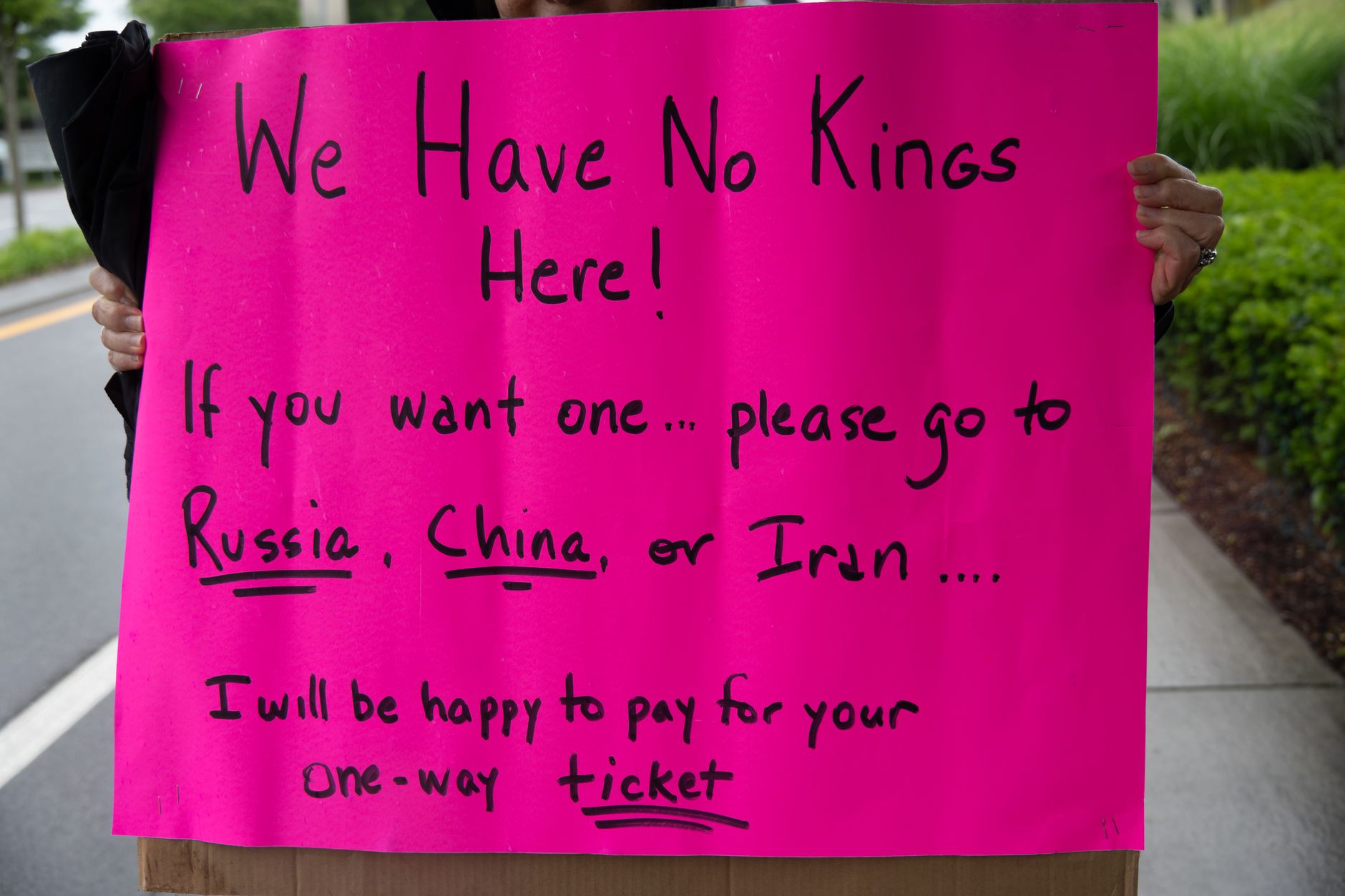

Trump threatens Iran in his recent U.N. speech, where he also addressed his handling of various global conflicts. His remarks have sparked significant debate among world leaders and analysts alike.
Overview of Trump’s U.N. Speech
In a recent address at the United Nations, President Trump delivered a contentious speech, prominently featuring threats against Iran. He asserted that the United States would not hesitate to take decisive action if Iran continued its aggressive behavior. Trump’s rhetoric included a stark warning to the Iranian regime, stating that they risked total annihilation should they provoke further conflict.
The speech has drawn criticism from various quarters, with many experts arguing that such aggressive posturing could escalate tensions rather than foster diplomacy. Critics contend that Trump’s approach to Iran represents a dangerous strategy that could undermine global stability. In addition to his threats against Iran, Trump defended his administration’s broader handling of international conflicts, emphasizing a commitment to a more confrontational stance against perceived adversaries.
- Trump labels Iran a significant threat to peace.
- Promises to protect U.S. interests aggressively.
- Critics warn of potential military escalation.
Overall, Trump’s threats toward Iran reflect a growing trend of using strong language in international diplomacy, raising concerns about the future of global relations.
Key Points from Trump’s Address
During his recent address at the United Nations, President Trump outlined several key points regarding his stance on global conflicts, particularly focusing on Iran. Here are the pivotal takeaways from his speech:
- Threat of Annihilation: Trump explicitly threatened to “annihilate” Iran if it poses a threat to the United States or its allies, a statement that raised eyebrows among international leaders.
- Defending Allies: He emphasized his commitment to protect U.S. allies in the region, particularly Israel, highlighting a strong stance against perceived Iranian aggression.
- Critique of Previous Policies: The President criticized past administrations for their handling of Iran, claiming that their approach allowed Iran to become more aggressive.
- Economic Sanctions: Trump reiterated the effectiveness of economic sanctions as a tool to curb Iran’s influence, insisting that they would continue to pressure the Iranian government.
- Diplomatic Solutions: While threatening Iran, he also suggested that diplomatic avenues remain open, although he expressed skepticism about their potential effectiveness.
These points underscore a tough, confrontational approach toward Iran amidst broader discussions on international relations.
International Reactions to Trump’s Threat
International reactions to Trump’s threats against Iran have been swift and varied, reflecting the complexities of global diplomacy. Many world leaders expressed concern over his aggressive rhetoric, viewing it as a potential escalation of tensions in the Middle East.
Among the notable responses:
- European Leaders: Key figures in the European Union criticized Trump’s approach, emphasizing the importance of dialogue and diplomacy over threats. They fear that such statements could undermine ongoing negotiations regarding Iran’s nuclear program.
- Middle Eastern Allies: Some allies, including Israel, have supported Trump’s hardline stance, seeing it as a necessary deterrent against Iran’s influence in the region. However, others cautioned that this could provoke further instability.
- United Nations Officials: UN Secretary-General António Guterres called for measured responses, underscoring the need for peaceful resolutions to conflicts rather than inflammatory threats, particularly those like Trump’s threats to “annihilate” Iran.
As the situation evolves, the international community remains on high alert, wary of the implications of Trump’s confrontational approach.
Analysis of Trump’s Foreign Policy
The recent U.N. speech delivered by President Trump has reignited discussions surrounding his foreign policy approach, particularly towards Iran. This rhetoric, characterized by threats of annihilation, raises significant concerns among analysts and policymakers.
Critics argue that Trump’s threats towards Iran not only escalate tensions but also undermine diplomatic efforts that may lead to peaceful resolutions. The use of aggressive language may alienate potential allies and push adversaries further away, complicating international relations.
In examining Trump’s foreign policy, several key points emerge:
- Unilateral Actions: Trump’s preference for unilateral decisions often disregards multilateral agreements, which can lead to isolation on the global stage.
- Military Focus: His administration places a heavy emphasis on military solutions, raising fears of conflict rather than fostering dialogue.
- Emotional Rhetoric: The tendency to use emotive language, such as threats against Iran, risks escalating conflicts rather than resolving them peacefully.
Overall, Trump’s threats against Iran reflect a broader pattern in his foreign policy that prioritizes confrontation over collaboration.
Historical Context of U.S.-Iran Relations
The relationship between the United States and Iran has been fraught with tension for decades, rooted in a complex historical context. The 1979 Iranian Revolution marked a significant turning point, leading to the overthrow of the U.S.-backed Shah and the establishment of an Islamic Republic. This shift strained diplomatic relations, resulting in the severing of ties and the infamous hostage crisis.
Over the years, U.S. policies toward Iran have oscillated between sanctions and attempts at negotiation. The 2015 nuclear deal, known as the Joint Comprehensive Plan of Action (JCPOA), was a landmark agreement aimed at curbing Iran’s nuclear ambitions. However, the unilateral withdrawal by the Trump administration in 2018 exacerbated tensions and led to increased hostilities.
In recent years, the rhetoric has intensified, with Trump threatening Iran in various speeches, including his recent address at the U.N. In this context, Trump’s threats raise concerns about the potential for conflict and the effectiveness of his approach to diplomacy. Critics argue that such tactics could further destabilize the region and complicate international relations.
Implications for Global Security
The implications of Trump’s threats against Iran extend far beyond the immediate rhetoric heard during his U.N. speech. Such declarations can escalate tensions not only between the U.S. and Iran but also affect global security dynamics.
Experts warn that the aggressive stance taken by the Trump administration may lead to:
- Increased Military Engagement: A potential military confrontation could draw in other nations, leading to wider regional instability.
- Economic Ramifications: Heightened tensions may disrupt oil markets and affect global economies reliant on Middle Eastern oil.
- Diplomatic Isolation: Countries that seek to maintain peace may distance themselves from the U.S., complicating alliances and future negotiations.
- Humanitarian Concerns: Widespread conflict could exacerbate the humanitarian crises already affecting civilians in Iran and neighboring nations.
As Trump threatens Iran, the global community must consider the broader consequences of such rhetoric and the potential for a cascading series of conflicts that could destabilize international relations.
Future of U.S.-Iran Relations
The future of U.S.-Iran relations appears increasingly precarious following President Trump’s recent threats against Iran. His assertive stance, which included the alarming promise to “annihilate” the nation, raises significant concerns about potential escalations in conflict. Observers suggest that such rhetoric could further isolate Iran on the global stage while simultaneously provoking a more aggressive response from Tehran.
Many experts argue that Trump’s approach may backfire, leading to heightened tensions rather than constructive dialogue. The ongoing sanctions and military posturing could entrench Iran’s resolve, as the leadership seeks to unify its populace against perceived external threats.
Key factors that will shape the future of these relations include:
- Diplomatic Engagement: The necessity for renewed dialogue to address mutual concerns.
- Regional Stability: The impact of U.S. actions on neighboring countries and broader Middle Eastern dynamics.
- International Alliances: How allies respond to Trump’s threats and their own strategies towards Iran.
Ultimately, a balanced approach may be crucial for reducing tensions and fostering a more stable environment.
Many analysts argue that when Trump threatens Iran, it escalates tensions rather than fostering dialogue. This approach may lead to unintended consequences that could destabilize the region further.
Photo by Beth Fitzpatrick on Pexels
Sources
Related reading
Hubbell B stock rating: Proven Buy Rating from Bernstein · Air Chief Marshal School Visit: A Proven Way to Inspire · Is the Mahindra Thar facelift the Best Off-Road SUV?



Leave a Reply