
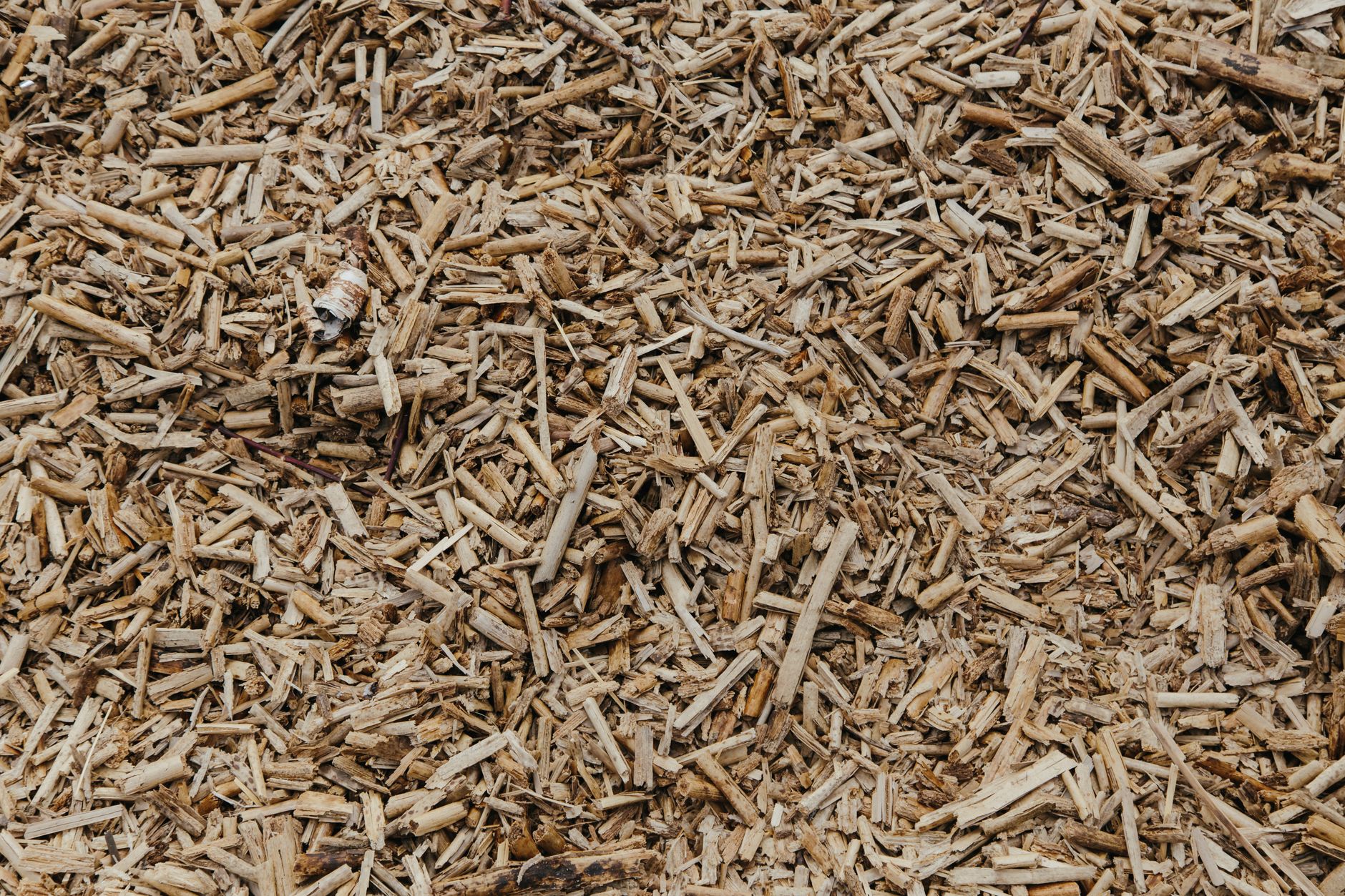

Wood waste nanocellulose is emerging as a revolutionary material with applications in farming, dye cleanup, and wound care. Researchers are transforming wood waste into this valuable resource.
What is Nanocellulose?
Nanocellulose is a versatile material derived from cellulose, the primary structural component of plant cell walls. It is produced by breaking down cellulose fibers into nanoscale dimensions, resulting in a substance that is lightweight, strong, and biodegradable. This remarkable property spectrum has led to growing interest in various applications, including farming, dye cleanup, and even wound care.
One innovative use of nanocellulose is in the form of wood waste nanocellulose, which is generated by processing surplus wood materials. This process not only helps reduce environmental waste but also creates a valuable resource that can enhance agricultural practices. Researchers have found that incorporating wood waste nanocellulose into soil can improve its structure, water retention, and nutrient availability, ultimately promoting healthier crops.
Furthermore, the unique properties of nanocellulose allow it to act as an effective stabilizer and thickener in various formulations. Its potential to absorb pollutants makes it a promising candidate for applications in dye cleanup, showcasing the material’s versatility and sustainability.
As interest in biodegradable and eco-friendly materials continues to rise, wood waste nanocellulose stands out as a groundbreaking solution with numerous benefits for both farming and environmental health.
Applications of Wood Waste Nanocellulose
Wood waste nanocellulose has emerged as a promising material with diverse applications that could significantly benefit various sectors, particularly agriculture. This innovative substance is derived from wood waste, making it an environmentally friendly option while also addressing waste management issues.
In farming, wood waste nanocellulose can be utilized in several ways:
- Soil Amendment: Its ability to retain moisture and nutrients helps improve soil structure, promoting healthier plant growth.
- Biodegradable Mulch: When used as mulch, it provides a sustainable alternative that decomposes, enriching the soil without leaving harmful residues.
- Plant Growth Enhancer: Wood waste nanocellulose can enhance seed germination and growth rates, leading to more productive crops.
Beyond agriculture, this versatile material shows potential in areas such as dye cleanup, where it can absorb pollutants from water, and in wound care, providing a natural and effective way to promote healing. As research continues, the applications of wood waste nanocellulose are likely to expand, solidifying its role as a key player in sustainability and innovation.
Benefits of Using Nanocellulose in Farming
The use of wood waste nanocellulose in farming presents numerous benefits that could revolutionize agricultural practices. This innovative material, derived from organic sources, offers unique properties that enhance soil health and crop yield.
One significant advantage of nanocellulose is its ability to improve soil structure. It acts as a natural binder, helping to retain moisture and nutrients, which is essential for healthy plant growth. Additionally, its lightweight nature allows for easier application, reducing the physical strain on farmers.
Moreover, wood waste nanocellulose can serve as a biodegradable alternative to synthetic fertilizers and pesticides. By incorporating nanocellulose into farming practices, farmers can promote a more sustainable approach that minimizes environmental impact while still achieving high productivity.
Another notable benefit is its role in enhancing the efficiency of water usage. Nanocellulose can absorb and retain significant amounts of water, thereby reducing the need for frequent irrigation. This property is particularly advantageous in regions facing water scarcity.
In summary, the integration of wood waste nanocellulose in farming not only supports agricultural productivity but also aligns with sustainable development goals.
How Researchers Create Nanocellulose
Researchers have developed innovative techniques to create nanocellulose from wood waste, harnessing its potential for various applications, including farming. The process begins with the collection of wood waste, which is often discarded or underutilized. This waste is then subjected to a series of treatments to extract cellulose fibers.
Typically, the method involves the following steps:
- Pre-treatment: The wood waste is treated with chemicals or physical processes to remove lignin and hemicellulose, which are non-cellulosic components.
- Grinding: The purified cellulose is finely ground to increase its surface area, facilitating further processing.
- Nanofibrillation: High-pressure homogenization or mechanical shearing is applied to disperse the cellulose into nanofibers, resulting in a gel-like nanocellulose suspension.
This wood waste nanocellulose can then be used as a sustainable resource in various agricultural applications, enhancing soil health and improving crop yields. By converting waste materials into valuable products, researchers not only address environmental concerns but also promote sustainable farming practices.
Impact on Dye Cleanup Processes
The application of wood waste nanocellulose in dye cleanup processes presents a promising solution for environmental remediation. Traditional methods for treating dye-contaminated water often involve chemical agents that can be harmful to aquatic ecosystems. In contrast, wood waste nanocellulose offers a more sustainable alternative.
This biopolymer has a high surface area and excellent adsorption properties, allowing it to effectively capture and remove dye molecules from wastewater. Research indicates that wood waste nanocellulose can significantly reduce dye concentrations, leading to cleaner water and minimizing the impact on surrounding environments.
Some key advantages of using wood waste nanocellulose in dye cleanup processes include:
- Eco-friendliness: Derived from renewable resources, it contributes to a circular economy.
- Efficiency: It can rapidly absorb a wide range of dyes, improving cleanup times.
- Cost-effectiveness: Utilizing waste materials lowers production costs compared to synthetic alternatives.
As researchers continue to explore the versatility of wood waste nanocellulose, its role in dye cleanup could revolutionize conventional practices, paving the way for greener solutions in farming and beyond.
Potential in Wound Care Solutions
Recent advancements in the field of wound care have highlighted the potential of wood waste nanocellulose as a revolutionary material. Researchers have discovered that nanocellulose derived from wood waste possesses unique properties that can significantly enhance the healing process.
The biocompatibility and biodegradability of wood waste nanocellulose make it an ideal candidate for various wound care applications. Its ability to maintain a moist environment around wounds accelerates healing while reducing the risk of infection. Furthermore, the porous structure of nanocellulose allows for proper gas exchange, facilitating faster recovery.
In addition to its physical properties, wood waste nanocellulose can be easily incorporated into different wound dressings. Some key advantages include:
- Cost-effectiveness: Utilizing wood waste as a raw material reduces production costs.
- Enhanced absorption: The nanocellulose can absorb exudates effectively, keeping the wound dry.
- Antimicrobial properties: Its natural composition can help prevent infections.
As research continues, the versatility of wood waste nanocellulose in wound care solutions could transform how we approach healing and recovery.
Future of Wood Waste Utilization
The future of wood waste utilization looks promising, particularly with the advent of wood waste nanocellulose. As the agricultural sector seeks sustainable practices, the integration of nanocellulose derived from wood waste offers a multifaceted solution.
Researchers are exploring innovative methods to harness this renewable resource, which can significantly reduce reliance on synthetic materials. The potential applications are vast and varied, creating opportunities for both environmental and economic benefits.
- Soil Improvement: Wood waste nanocellulose enhances soil structure and fertility, promoting healthier crop growth.
- Water Retention: Its ability to retain moisture can help farmers in drought-prone areas, leading to more sustainable farming practices.
- Biodegradable Alternatives: This material can replace plastic-based products, reducing pollution and waste in agriculture.
As advancements continue, wood waste nanocellulose could reshape the agricultural landscape, fostering a shift towards more eco-friendly farming techniques. The ongoing research and development in this field signify a positive step towards sustainable resource management.
Photo by Ron Lach on Pexels




Leave a Reply