
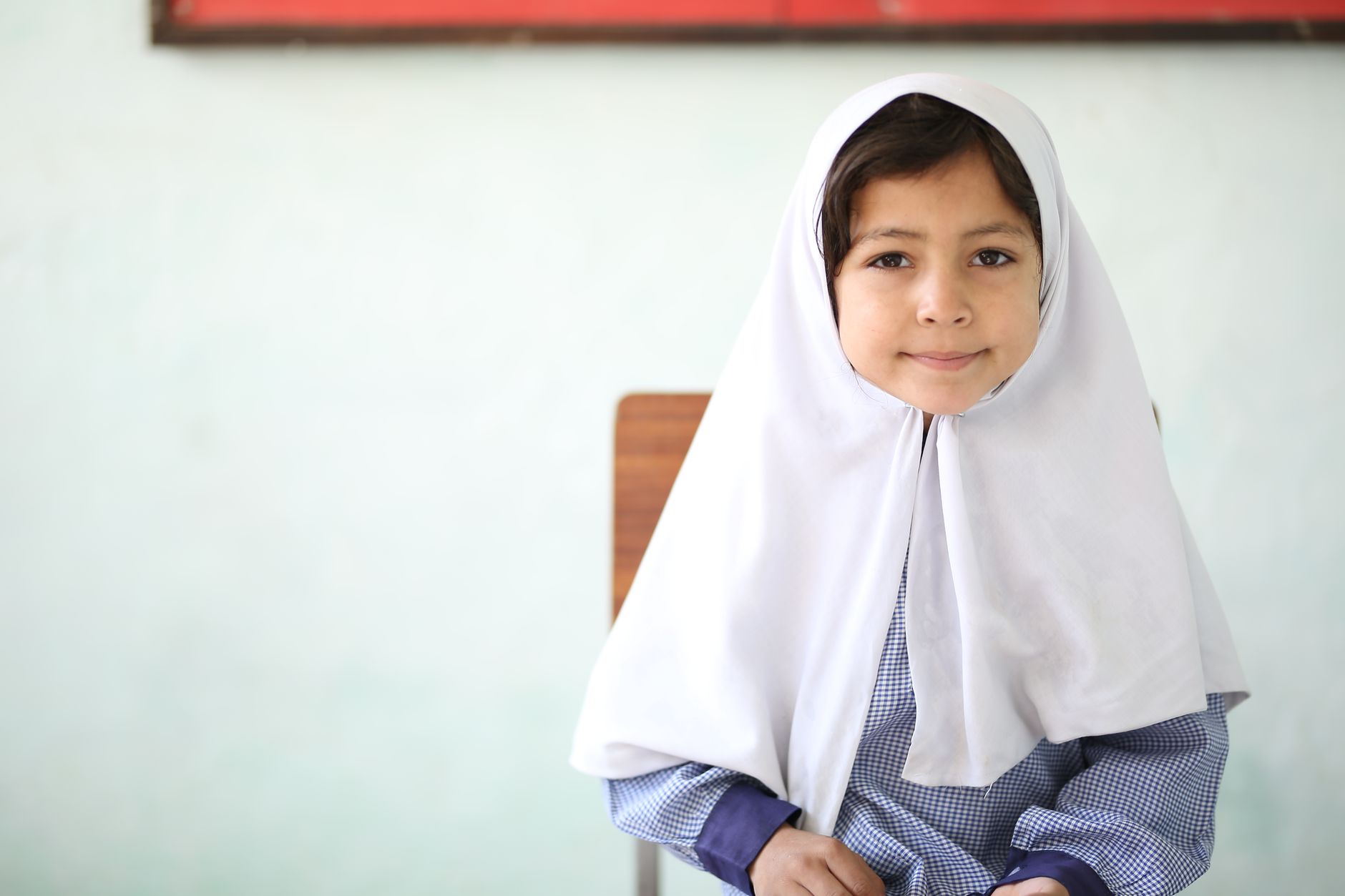

Italy school veil ban is a controversial decision announced by Prime Minister Meloni, aiming to reshape the educational landscape in schools across the nation.
Overview of the Veil Ban
The recent announcement from Italy’s government regarding the Italy school veil ban has sparked significant debate across the nation. Prime Minister Giorgia Meloni outlined plans to prohibit the wearing of veils in schools, a move she argues is aimed at promoting integration and upholding national values. This policy shift is part of a broader agenda to address multiculturalism in the educational system.
Meloni stated that the ban is essential for ensuring that all students feel a sense of belonging and equality within the classroom. The government believes that visible symbols of differing cultural identities can create divisions among students and hinder the integration process. Alongside the veil ban, the government is also proposing to limit the number of foreign students in each class, aiming to maintain a balanced educational environment.
Critics of the veil ban argue that it infringes on personal freedoms and religious expressions. Many believe that such measures could further alienate minority communities and foster resentment rather than unity. Supporters, however, claim that the ban is a necessary step in reinforcing Italy’s cultural identity and ensuring that all students adhere to the same dress code.
This controversial policy has ignited discussions about the role of cultural symbols in education and the importance of respecting individual rights. As the debate continues, the implications of the veil ban will likely resonate throughout Italian society.
Impact on Foreign Students
The recent decision to implement a school veil ban in Italy has raised concerns regarding its impact on foreign students. As the new policy takes effect, many are questioning how this will affect the integration of diverse cultural backgrounds within Italian schools.
One of the primary implications of the ban is the potential alienation of foreign students who wear veils as part of their cultural or religious identity. Many of these students may feel marginalized, which could hinder their academic performance and social integration. Experts suggest that such policies may inadvertently create an environment of exclusion rather than inclusion.
In addition, the Italian government’s strategy to limit the number of foreign students per class further complicates the situation. This policy aims to ensure that classrooms maintain a balance between local and foreign students, yet it risks undermining the multicultural fabric that is essential for fostering understanding and tolerance among young people.
As foreign students grapple with the implications of the Italy school veil ban, it is crucial for educational institutions to provide additional support. Encouraging dialogue and promoting cultural exchange can help bridge gaps and create a more inclusive atmosphere for all students, regardless of their background.
Ultimately, the effects of these policies will unfold over time, and stakeholders must remain vigilant in addressing the needs of all students in a rapidly changing educational landscape.
Public Reaction to the Policy
The recent decision to enforce an Italy school veil ban has sparked a polarized public reaction across the nation. While some citizens support the initiative as a means to promote integration and cultural cohesion, others view it as a discriminatory measure targeting specific religious groups.
Supporters of the ban argue that it fosters a sense of unity among students and helps maintain a secular educational environment. They believe that by eliminating visible religious symbols, schools can create a more inclusive atmosphere for all students, regardless of their backgrounds. Maria Rossi, a teacher in Rome, stated, “This policy will help our children focus on education rather than cultural differences.”
Conversely, critics contend that the veil ban infringes on personal freedoms and undermines the rights of individuals to express their beliefs. Ahmed Youssef, a spokesperson for a local advocacy group, expressed concern, saying, “This is not just about veils; it’s about our right to practice our faith freely in public spaces.”
In addition to the veil ban, the government’s new policy also limits the number of foreign students per class, raising further concerns about inclusivity in Italy’s educational system. Many parents worry that such measures could lead to increased segregation among students.
As reactions continue to unfold, it remains to be seen how these policies will affect Italy’s multicultural landscape.
Comparison with Other Countries
The recent decision to implement a veil ban in schools has sparked discussions on how Italy’s approach compares to policies in other countries regarding religious attire in educational institutions.
In several European nations, similar bans have been enacted, often citing secularism and integration as primary motivations. For instance, France has maintained a longstanding ban on religious symbols, including the hijab, in public schools since 2004. This policy aims to uphold the principles of laïcité, ensuring that the educational environment remains neutral and free from religious influence.
Conversely, countries like Germany allow some degree of religious expression in schools, with regulations varying by state. In some regions, teachers may be prohibited from wearing religious symbols, while students are generally permitted to wear headscarves, reflecting a more lenient stance compared to Italy’s recent school veil ban.
Beyond Europe, Canada exemplifies a different approach, emphasizing multiculturalism and tolerance. Canadian schools typically embrace students’ right to express their religious beliefs through attire, fostering an inclusive environment rather than restricting it.
As Italy navigates its own school veil ban, the contrasting policies of other nations highlight the ongoing debate surrounding religious expression, cultural integration, and the role of state secularism in education.
Future of Education in Italy
The recent Italy school veil ban has sparked a significant debate about the future of education in the country. As the government implements this policy, it raises questions about inclusivity and the multicultural landscape of Italian schools.
One of the primary concerns is how this ban will affect the integration of foreign students. Many educators worry that limiting visible expressions of culture, such as veils, could alienate students who already face challenges in adapting to a new environment. The decision may inadvertently create divisions among students, undermining the goal of fostering a cohesive educational experience.
Moreover, the veil ban could set a precedent for further restrictions on cultural expressions in schools. Critics argue that this approach might lead to a more homogenous school environment, sidelining the rich diversity that foreign students bring to the classroom. As Italy grapples with its identity in a globalized world, the impact of such policies will be closely scrutinized.
In addition to cultural implications, the veil ban also raises practical questions about enforcement and compliance. Educators will need training and support to navigate the complexities of this new policy while ensuring that all students feel safe and respected.
Ultimately, the future of education in Italy will hinge on balancing the values of national identity with those of multiculturalism and acceptance.
Government’s Justification for Changes
The Italian government has justified the recent Italy school veil ban as a necessary measure to uphold national identity and promote integration among students. Prime Minister Giorgia Meloni emphasized that the policy aims to ensure that all students, regardless of their background, can participate fully in the educational experience without cultural barriers.
In her address, Meloni stated, “Our schools must reflect the values of our society. It is essential that children learn in an environment that fosters unity and cohesion.” The government argues that the visibility of religious symbols, such as veils, can create divisions among students and hinder their ability to connect with one another.
Moreover, officials have pointed out that such measures are not unprecedented. They have referred to similar policies implemented in other European nations, which have aimed to address concerns regarding integration and social cohesion. Italy’s school veil ban is positioned within a broader context of promoting secularism in public spaces.
Critics of the ban, however, argue that these justifications overlook the importance of cultural diversity. They believe that rather than fostering unity, the policy could alienate minority groups and contribute to a climate of intolerance. As the debate continues, the government maintains that the changes are essential for the future stability of the educational system and the nation as a whole.
The recent Italy school veil ban has sparked significant debate among educators and parents alike. Many argue that the Italy school veil ban is a step towards promoting secularism in public institutions.
Photo by contact me +923323219715 on Pexels
Sources
Nvidia CEO Jensen Huang: The Smart Ally in AI Safety Debate · Shillong Teer Result: Clear Winning Numbers for Today · Social media ban under-13s: Clear proposal from EU Commission



Leave a Reply